Content Marketing for Early-Stage Startups.
How Is It Different from Corporate Marketing?

According to a 2024 content marketing report by Ahrefs, 82% of companies report actively investing in content marketing. It proves that content marketing is now a core business strategy for a large majority of businesses.
However, startups and corporations have different sets of challenges and opportunities based on their market share, resources, and budget. A successful content marketing strategy drives organic brand growth and long-term revenue generation for startups and corporations alike.
Startups require agile, cost-effective content marketing to build brand awareness and brand reputation while corporations leverage content marketing with their six-figure budget, marketing team of 100+ members, and established brand authority to promote customer acquisition, engagement, and retention.
Early-stage Startup Marketing Team
             🧠 Marketing Strategy
     (Led by Founder or Head of Marketing)
                       ↓
 ┌────────────────────────────┬────────────────────────────┬────────────────
 |                            |                            |
📚 Content Marketer     📈 Growth Marketer     🧭 Product Marketer
 - Blogs & SEO           - LinkedIn Ads         - Messaging & Positioning
 - Case studies          - Landing Pages        - Sales Enablement
 - Thought leadership    - Email funnels        - GTM Strategy

                       ↓

        🎨 Freelance Designer
        - Slide decks, whitepapers, ad creatives

        ⚙️ Marketing Ops (PT or freelance)
        - CRM setup, analytics, automation
In this article, we’ll break down how startups and corporations take a different approach towards their content marketing strategy and its execution.
We’ll explore:
- Startup vs. Corporate Content Marketing
- Content Marketing Audit: Curvo Vs Wise
- Content Marketing Strategy for Startups
- Content Marketing for Corporations
Startup Content Marketing vs. Corporate Content Marketing
Startups invest in faster go-to-market strategy coupled with persuasive Bottom-of-the-Funnel (BOFU) content that generates leads and builds brand trust all at once. In contrast, multinational corporations play the long game with thought leadership-focused content marketing strategies and brand-led content. Yet many startup founders and Chief Marketing Officers try to adopt enterprise playbooks without the right resources or runway to make them work.
Here’s a clear and concise comparative analysis on Startup Content Marketing Vs. Corporate Content Marketing.
Features |
Startup Content Marketing | Corporate Content Marketing |
|
Primary Goal |
Brand Awareness, Generate Qualified Leads, Brand Growth |
Brand loyalty, Nurturing Leads, Customer Engagement and Customer Retention |
|
Budget | Forbes reports 27% of businesses keep their content marketing budget under $1,000 monthly due to limited financial resources. | Forbes reports 6% of businesses, potentially corporations, spend over $20,000 in content marketing. |
|
Content Focus |
Major focus on Middle-of-the-Funnel and Bottom-of-the-Funnel content to persuade and convert target customers into qualified leads. | Top-of-the-Funnel, Middle-of-the-Funnel, and Bottom-of-the-Funnel content including thought leadership content as established industry leaders |
|
Customer Base |
Focuses on building an audience from scratch and converting prospects into customers. |
Focuses on retaining existing customers and attracting new customers through word-of-mouth and referrals. |
|
Channels | A major share of the content marketing budget is spent on owned channels (blog, social media) and earned channels (PR, guest posts). Budget spend in paid channels has a lower ROI due to low brand value. | Content marketing budget spent across owned, earned, and paid channels with a higher ROI due to brand value. |
Content Marketing Audit: Curvo Vs Wise
Curvo and Wise. The startup and corporate duo from the fintech sector are at the center of our content marketing case study.
Curvo, a Belgian fintech startup, built brand trust among its target customers even before launching its product. They published educational blogs and videos for Belgian millennials. Their founder led the content efforts and shared it on Reddit and LinkedIn. They also targeted niche SEO terms like “how to invest in Belgium” as part of their localised SEO content strategy. It resulted in 5,000+ monthly visitors and over 300 customers at the pre-product launch stage, without spending on ads or high-budget marketing campaigns.
Content Marketing Strategy for Startups: Content Discoverability
- Educational content: Startups often focus on solving clear pain points for their audience through informational and educational content also known as Top-of-the-Funnel (TOFU) content. As seen in the Curvo example, startups often enter new or unexplored markets. It helps build trust, informs and guides their potential customers to convert into early adopters. According to the Cropink report, over 87% of marketers increased brand awareness with the help of content marketing.
- Founder-Led Storytelling: Startups like Curvo leverage founder branding. The founder is the face of the brand. They build brand trust by being real, honest, and opinionated on platforms like LinkedIn and X; helping their target audience connect with their product through guided conversations. This style of storytelling adds credibility and personality to the brand.
- Lean, Bootstrapped Content Operations: Startups usually work with limited budgets, relying on cost-effective, high-impact content like SEO blogs, newsletters, and product explainers over high-budget paid marketing campaigns. The goal is to experiment, move fast, and learn what works to build their brand voice and figure out the best way to reach their audience.
On the other hand, Wise, a well-known fintech company, used SEO differently. They published helpful articles on how to close or open accounts with competitors. It may seem contradictory to invest in ranking for competitors’ branded keywords, but it worked for them. People searching “how to close a UBank account” are often looking for a new option. Wise captures that traffic offers value and quietly positions itself as the better choice.
Content Marketing Strategy for Enterprises: Content Scalability
- Thought Leadership and Brand Authority: They own their niche and have established brand awareness and brand authority. Wise banks on its brand authority to publish how-to tutorial content for competitors’ products to build its brand positioning among its target customers. Enterprises invest in thought leadership as well as Bottom-of-the-Funnel (BOFU) content like whitepapers, reports, and guest articles in top-rated publications. It establishes their domain authority and huge market share.
- Multi-Touch, Multi-Channel Strategy: Enterprises have the resources to strategize content across every stage of the buyer journey. They don’t expect one blog or video to do all the work. Instead, they build robust content marketing campaigns across diverse channels to drive lead generation and lead nurturing. Blogs drive awareness, webinars build interest, and case studies influence purchase decisions among potential customers. Each piece of content is planned, produced and published to where the customer is in their customer journey.
- Structured, Hierarchical Content Operations: Corporations implement proven content marketing practices through documented, process-driven strategies with regular audits aligned to business goals. Dedicated research teams conduct audience segmentation to create targeted content funnels for specific buyer personas and ICPs, while investing in account-based marketing for high-value prospects.
This case study makes it clear that there are several criteria to consider before investing in content marketing for your startup. For instance, Wise has grown past the early-stage content marketing rulebook and invests in out-of-the-box content marketing strategy that sets it apart from its competitors. But, Curvo can’t risk promoting competitors’ branded keywords and products as they don’t have the brand authority or resources to do so.
How Startups Do Content Marketing?
Resource Management
- One Marketer, Many Hats: About 80% Founders and CMOs write the content themselves according to a recent report by SEMRUSH. In startups, a content marketer wears many hats. They might write blog posts in the morning, post on LinkedIn at noon, build email campaigns in the afternoon, and create landing pages at night. Roles are not well-defined which keeps work flexible but also chaotic.
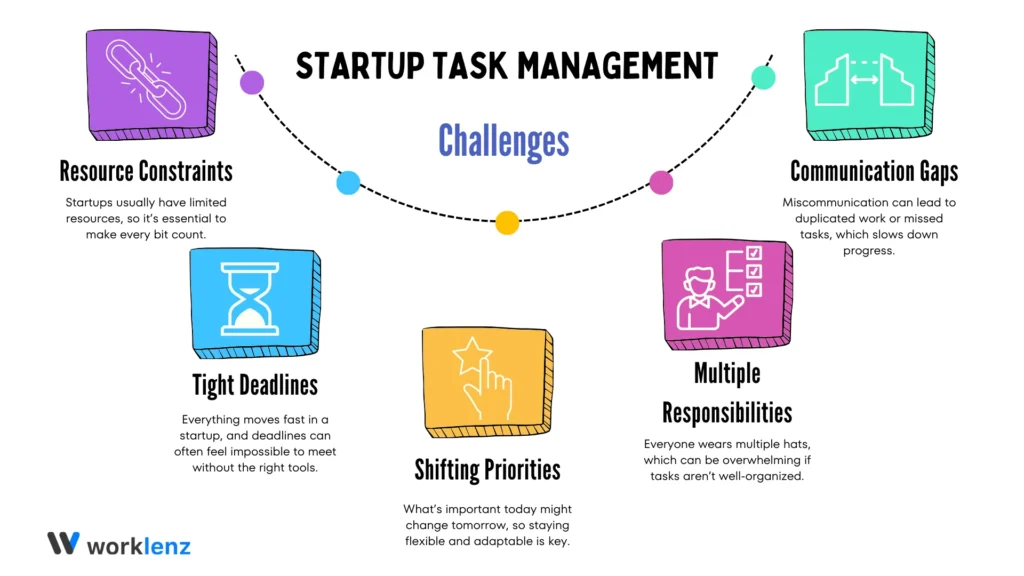
- Outsourcing Content Writing: Startups often rely on freelancers, contractors, or part-time writers who are not well-versed in product specifics or industry knowledge. As a result, success depends on clear briefs, fast onboarding, and the marketer’s skill to turn complex ideas into simple stories.
Campaign Management
- Speed > Perfection: Startups value speed of execution. Content is shipped fast, often with a Minimum Viable Product (MVP) using low budget marketing tech stack. The priority is to get feedback, test market positioning, and learn what resonates with the market instead of perfecting every asset.
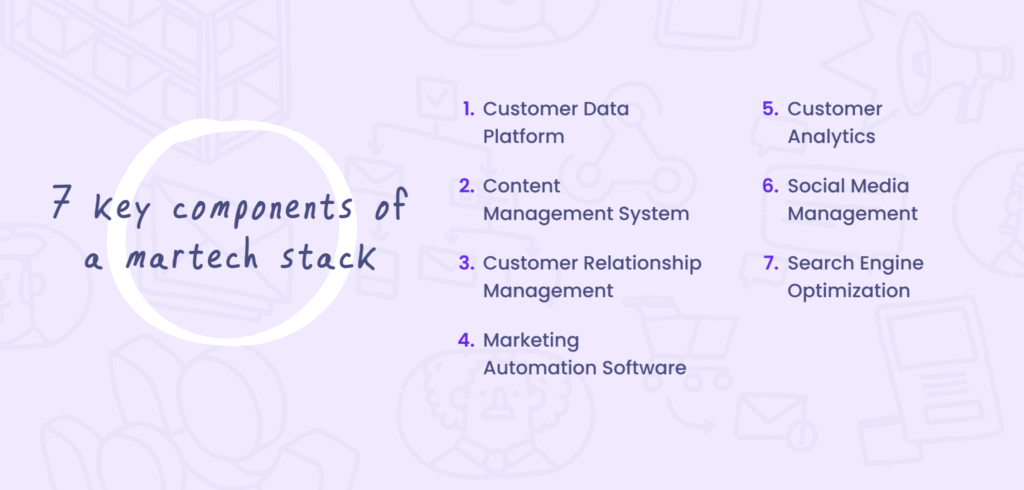
- Startups use lean, cost-effective martech stacks: Zoho for CRM, Mailchimp for email marketing, Google Analytics for tracking, Slack for team communication, Notion for project management, and Zapier for automation. They prioritise essential tools over expensive enterprise solutions.
Content marketing agencies like ContentXP offer plug-and-play content marketing solutions for B2B startups with human-centered AI workflows, and a content marketing growth engine. So that startups can maintain their agility without being overwhelmed.
How Corporations Do Content Marketing?
Resource Management
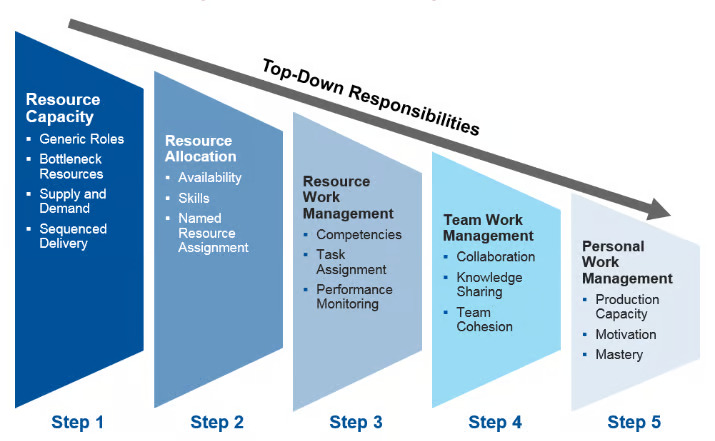
- Defined Roles, Clear Handoffs: Corporations have 100+ members in their in-house content marketing teams including strategists, writers, editors, SEO experts, product marketers, and many other specific roles. Projects adhere to process-driven workflows with several rounds of reviews and approvals.
Campaign Management
- Martech Integration and Automation: Corporates leverage enterprise-level marketing solutions for automated content execution at scale. HubSpot and Marketo handle email campaigns and lead nurturing. Salesforce bridges marketing-sales alignment through engagement tracking.
Adobe Experience Manager manages content delivery across all digital touchpoints

Compliance Management
- Content Governance & Compliance: All content from blogs and ad copy to case studies requires legal, brand, and compliance approval. It supports risk mitigation while scaling content for a global audience, but slows down content publishing velocity.

Final Thoughts
Content marketing success isn’t about copying enterprise tactics—it’s about matching strategy to your resources and maturity stage. ContentXP bridges this gap, providing startups with plug-and-play content teams, content marketing frameworks, and strategies designed for lean budgets. Ready to compete without enterprise resources?
Get Your Free Startup Content Marketing Strategy Assessment.
Sign up for a 1:1 Content Marketing Audit Call